2026-07-03
Where to Go Instead of Bali (From Someone Who Lives Next Door)
An honest look at the alternatives to Bali: Java, Lombok, Flores and Sumatra, what each one actually gives you, and why Yogyakarta is the easiest swap of all.
 By Dewi Lestari, Borobudur temple tour guide since 2022
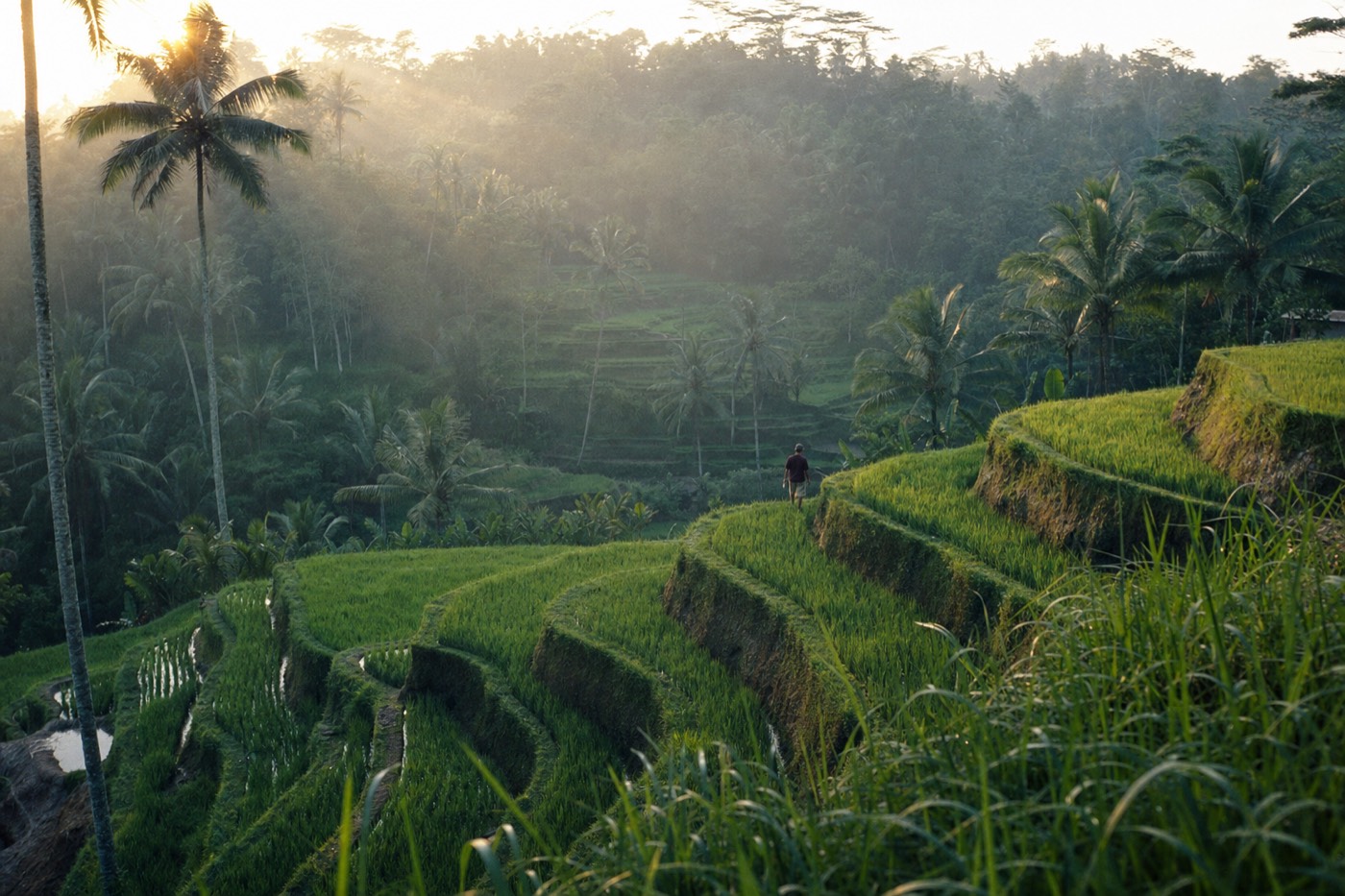
A woman from Melbourne told me last dry season that she had come to Java because her flight to Bali was cancelled and she had picked the next thing on the departures board. She spent three days here. On the drive to the airport she said, without any prompting, that she was annoyed nobody had told her this existed. I hear a version of that sentence maybe once a month, and it always lands the same way: not as a compliment to Java, but as a small complaint about the map everyone gets handed.
So let me try to hand you a better one. And let me start by defending the island I am supposedly competing with.
Is Bali actually overrated?
No. Bali is popular for reasons that hold up: excellent beaches, a living Hindu temple culture, world-class food and hotels, and fifty years of practice at looking after visitors. The problem is not quality. It is concentration. Nearly seven million foreign visitors landed on one island in 2025.
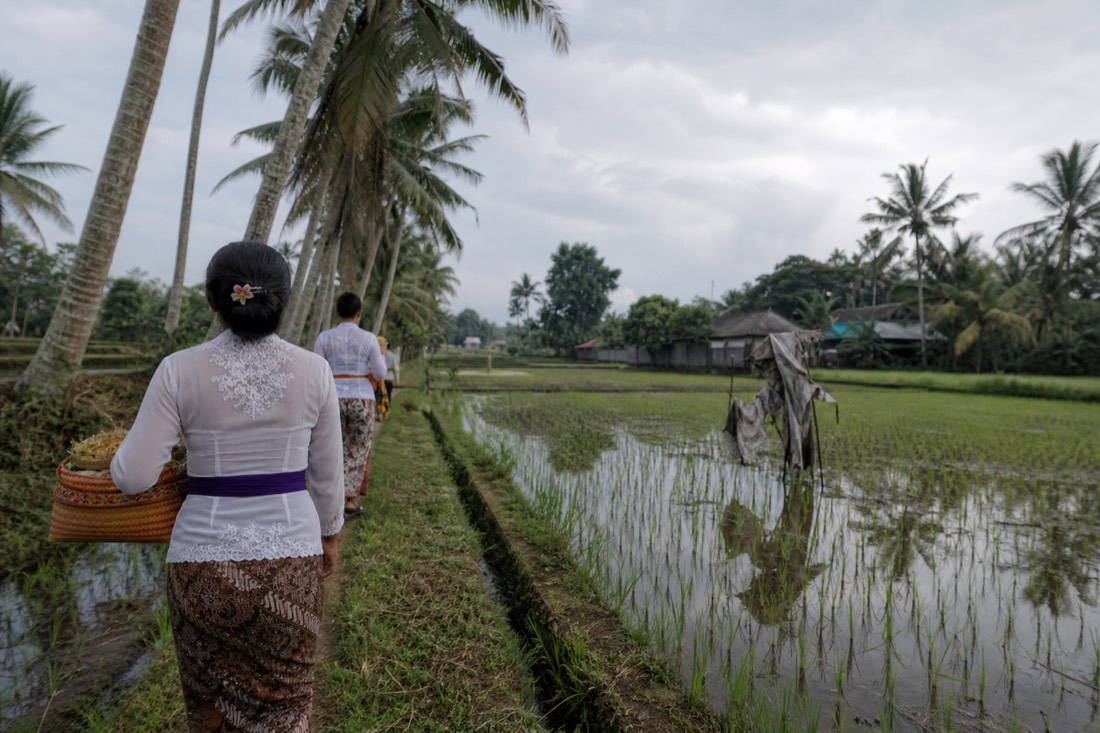
I want to be straight about this, because guides from Java have a habit of running Bali down and it is unearned. If you want warm water, a good bed, a proper cocktail and someone who speaks your language, Bali does all of that better than anywhere else in Indonesia. That is not an accident and it is not a con.
What has changed is the density. Bali recorded 6,948,754 direct foreign arrivals in 2025, almost 10% up on the year before, on an island you can drive across in a few hours. The provincial government now charges every foreign visitor a tourism levy of IDR 150,000, brought in during February 2024, in part to fund the strain. Traffic in the south is the thing my Australian guests complain about most, and they are not complaining about the beaches.
So the honest framing is not "go somewhere better than Bali". It is: work out what you actually wanted, then check whether Bali is the best place to get it. Often it is. Sometimes it very much is not.
What should I do instead of Bali?
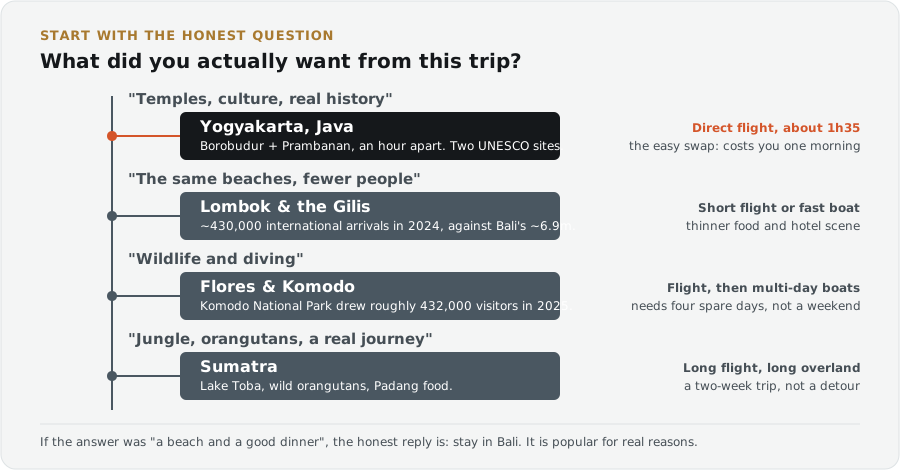
Match the destination to the reason. Java for temples, culture and cost. Lombok for Bali-style beaches with fewer people. Flores and Komodo for dragons and diving. Sumatra for jungle and orangutans. Java is the cheapest and shortest swap, at a direct flight of about 1h35 from Denpasar.
The four real alternatives, with what each actually delivers and what it costs you in effort:
| Instead of Bali | What you get | Effort from Bali | Skip it if |
|---|---|---|---|
| Yogyakarta, Java | Borobudur, Prambanan, batik, court culture, street food | Direct flight, around 1h35 | You came for a beach. There isn't one worth the drive. |
| Lombok | Quieter beaches, Gili islands, Rinjani trekking | Short flight or fast boat | You want the restaurant and nightlife scene. |
| Flores / Komodo | Komodo dragons, some of Asia's best diving | Flight to Labuan Bajo, then multi-day boats | You have fewer than four spare days. |
| Sumatra | Jungle, orangutans, Lake Toba, Padang food | Long flight plus long overland legs | You are on a one-week trip. |
Note the pattern. Three of those four are more effort than Bali, not less. That is the honest trade, and anyone selling you an alternative without mentioning it is selling. The exception is Java, which is genuinely easy, and that is why I lead with it.
Why Yogyakarta instead of Bali?
Yogyakarta gives you what Bali structurally cannot: two 9th-century UNESCO temple complexes within an hour of the city, a living sultan's court, hand-drawn batik, and street food at a fraction of Seminyak prices. It is a direct flight of roughly 1h35 from Denpasar, so it costs you a morning, not a holiday.
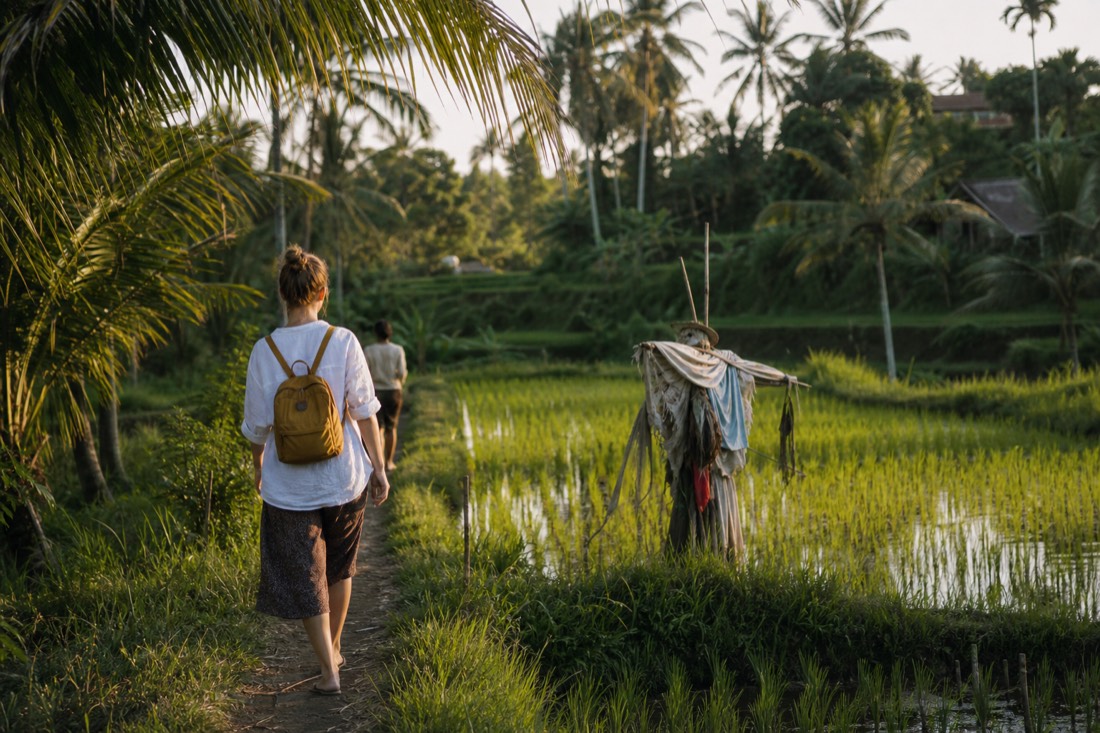
Here is the pitch I would make in the van. Bali's temples are alive and Balinese Hindu, which is wonderful, but they are small, active places of worship. Java's are archaeological monuments on a scale that has no equivalent in Bali or anywhere else in Southeast Asia outside Angkor.
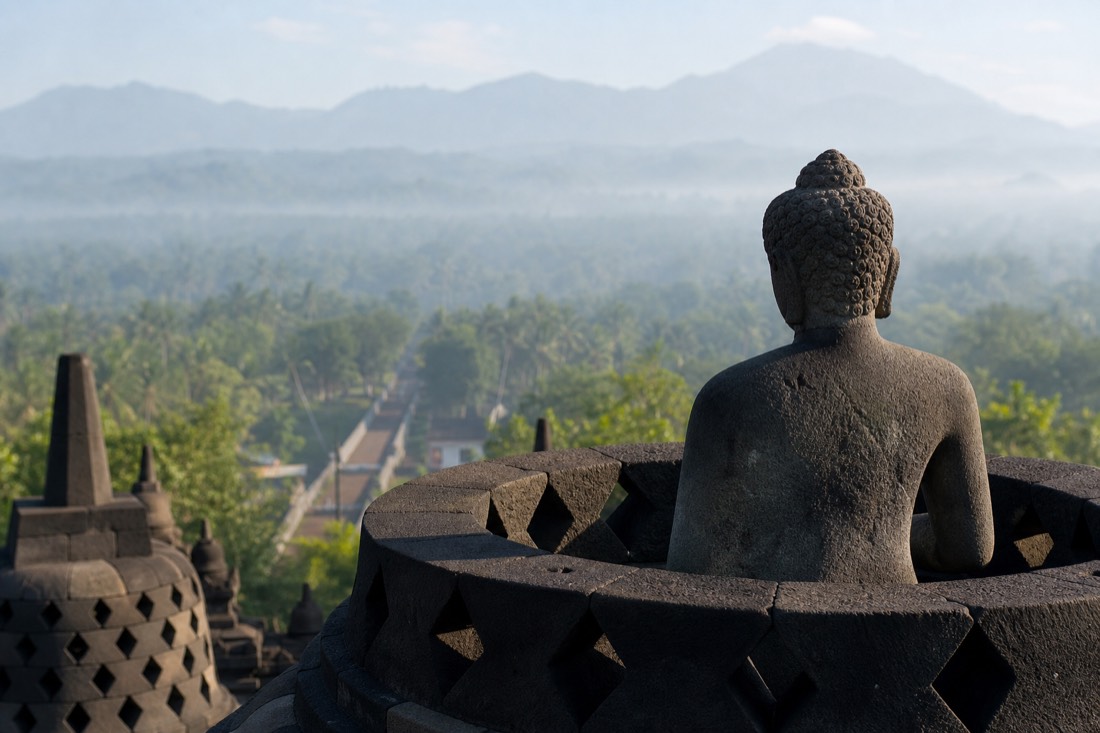
Borobudur is the largest Buddhist temple in the world. It is a 9th-century Mahayana monument in Magelang Regency, roughly an hour northwest of Yogyakarta, built from around 778 to 825 AD: nine stacked platforms, six square and three circular, the main stupa about 35 metres above the base, and 1,460 narrative relief panels you read by walking clockwise. It has been on the UNESCO World Heritage List since 1991 as the Borobudur Temple Compounds.
Prambanan, forty-odd minutes the other side of the city, is the Hindu answer: a 9th-century complex of soaring spires, separately UNESCO-listed, carved with the Ramayana. Two of Indonesia's ten World Heritage properties, an hour apart, both reachable from the same hotel. That is the argument, and it is not a small one.
The other half of it is cost. Yogyakarta is a Javanese university city, not a resort economy. You are not paying the Bali premium for a bed, a meal or a driver. I have written the practical version of getting from the city to the temple in the Borobudur from Yogyakarta guide, and a fuller answer on the city itself in is Yogyakarta worth visiting.
What does Java have that Bali doesn't?
Scale and age. Java holds 56.1% of Indonesia's population, the country's oldest surviving court traditions, its two greatest temple complexes, and the volcano-fed plain that made all of it possible. It is where Indonesian history happened, and where most Indonesians actually are.
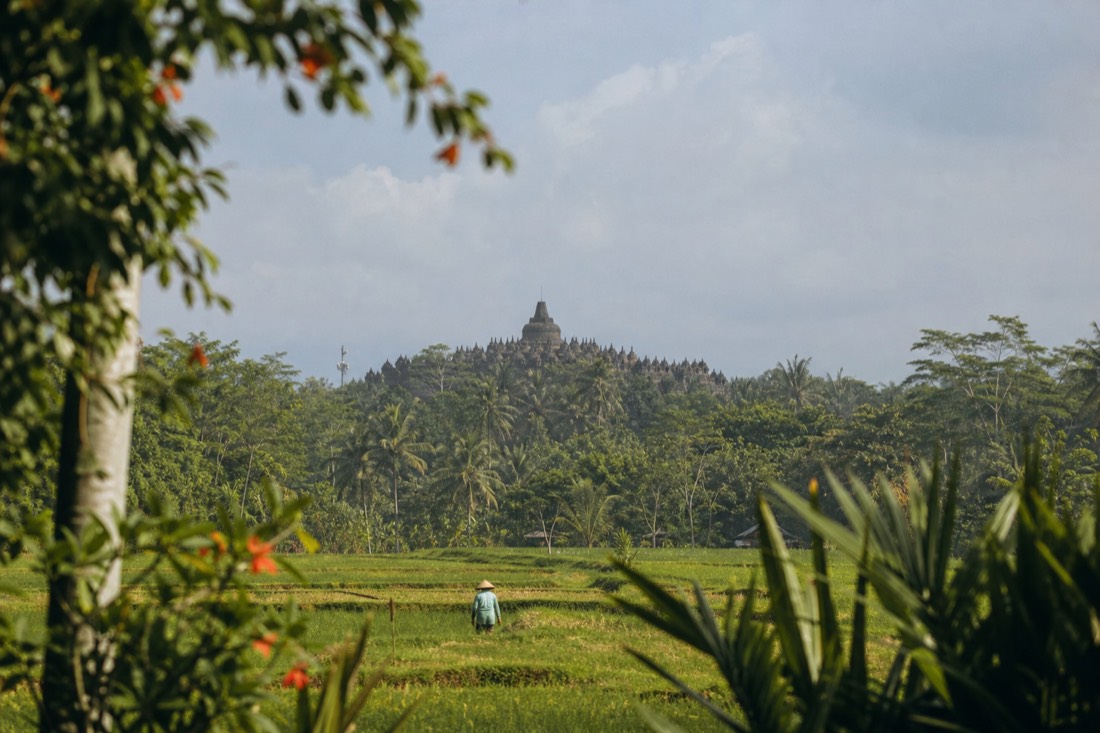
The thing that surprises visitors most is not the temples. It is realising that Bali, for all its fame, is a small island at the edge of the story rather than the centre of it. Java is where the kingdoms rose, where the courts wrote the poems, where the Dutch built the colony, where independence was declared, and where more than half the country still lives.
| Bali | Yogyakarta, Java | |
|---|---|---|
| Headline draw | Beaches, resorts, surf, nightlife | Borobudur and Prambanan, an hour apart |
| Temple culture | Living Balinese Hindu, small and active | 9th-century Buddhist and Hindu monuments, UNESCO-listed |
| Court tradition | No reigning court | A sultan still in residence at the Kraton |
| Crowds | Near seven million foreign arrivals in 2025 | Borobudur took around 200,000 international visitors in 2024 |
| Beach | The whole point | Effectively none. Be honest with yourself. |
| Typical stay | A week or two | Two to three days does it properly |
Read that last row carefully. I am not proposing you replace a two-week Bali holiday with two weeks in Yogyakarta. I am proposing you give Java two days out of your fortnight. That is the realistic version, and it is the one my guests actually do.
Book the sunrise climb
Ready to book the sunrise climb?
Dawn from Punthuk Setumbu, then the Borobudur climb itself, with hotel pickup from Yogyakarta. Free cancellation up to 24 hours, reserve now and pay later: booking takes 2 minutes and costs nothing today.
Check live availability & prices →Is Komodo or Flores a good Bali alternative?
Yes, if you have the days. Komodo National Park drew around 432,000 visitors in 2025 and remains genuinely wild. But it needs a flight to Labuan Bajo plus multi-day boat trips, so it is an addition to a trip rather than a swap for a weekend.
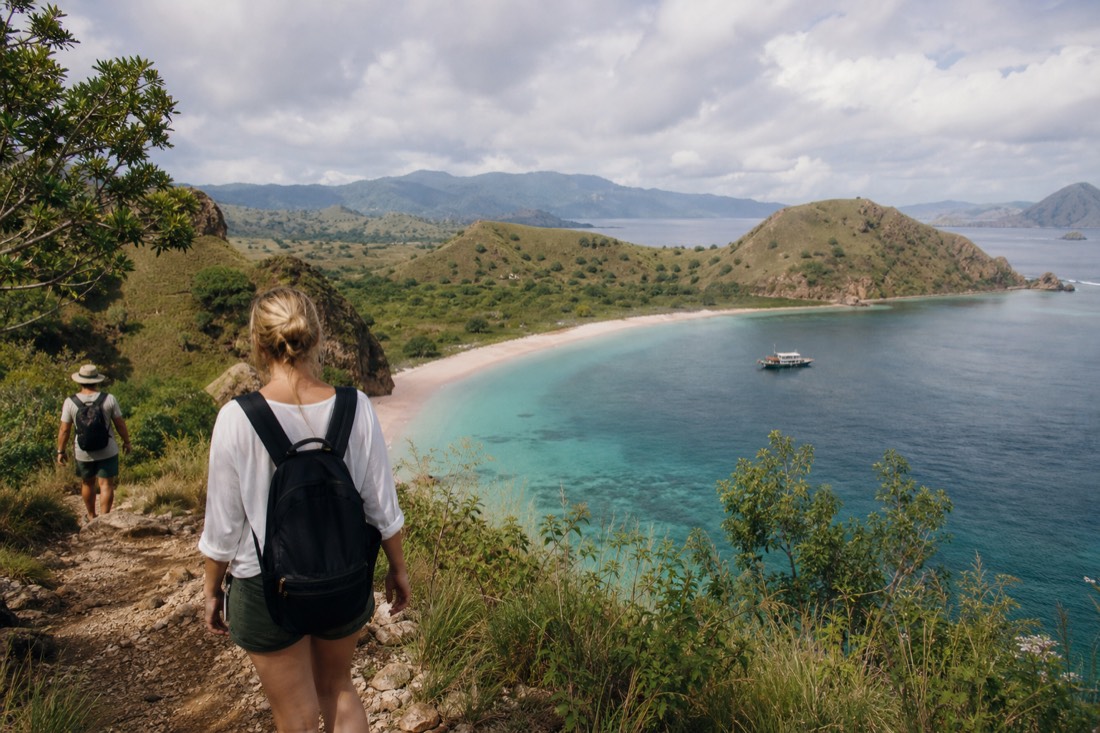
The dragons are real and the diving around Komodo is among the best in Asia. Nobody who goes regrets it. What people underestimate is the logistics: this is not a day out from Bali, whatever the booking sites imply. You fly east to Labuan Bajo, then you live on a boat for two or three days, and the good sites are further out than the cheap tours go. If your dates only allow a single day, a full-day boat run from Labuan Bajo that covers the Padar climb, the pink beach and the dragons is the honest compromise; make sure to book here because the small boats cap their numbers.
Park authorities have also been tightening visitor limits in recent years, which is the right call for the dragons and something to check before you plan around it. If you have four spare days and you love wildlife, go. If you have a spare weekend, this is not your answer.
Is Lombok better than Bali?
Not better, quieter. Lombok gives you comparable beaches, the Gili islands and Rinjani trekking with roughly 430,000 international arrivals in 2024 against Bali's near-seven million. The trade is a thinner restaurant, hotel and nightlife scene.
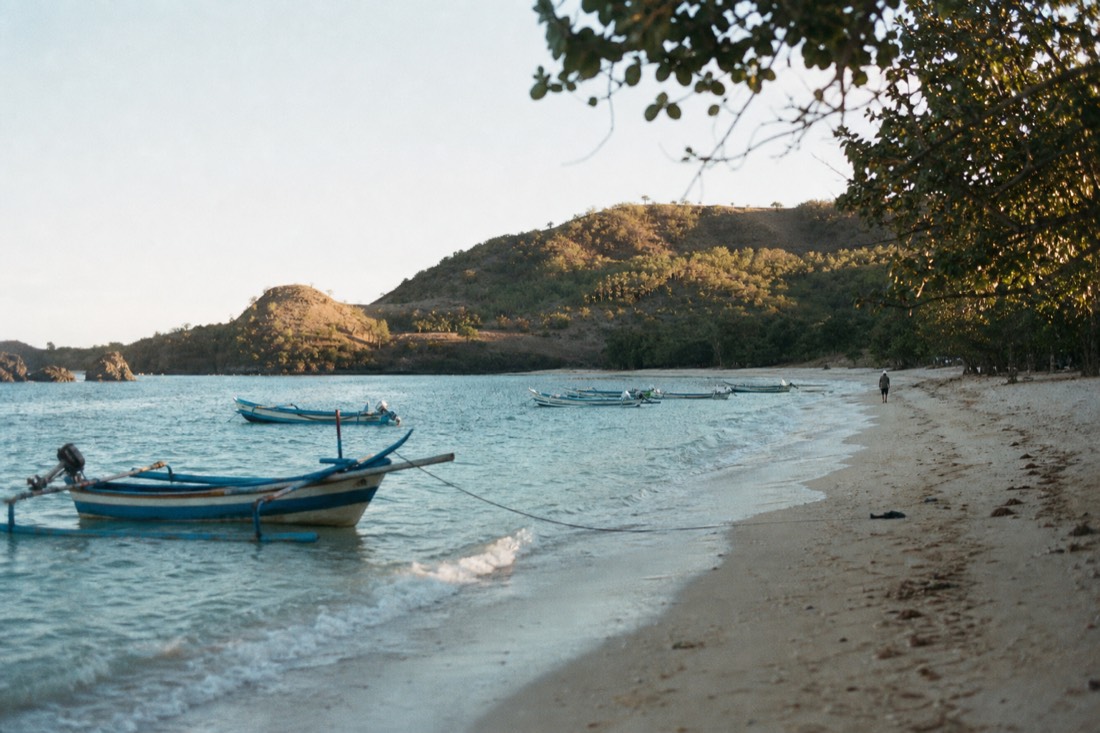
Lombok is the honest choice for the traveller whose real complaint about Bali is the crowds rather than Bali itself. It is a short hop east, the water is good, the Gilis are car-free, and Rinjani is a serious volcano trek if you want one.
The scale gap is the whole point, and it is worth seeing in one place:
| Destination | Foreign visitors, latest published year | Domestic load |
|---|---|---|
| Bali | 6,948,754 direct foreign arrivals, 2025 | Heavy on top of that |
| Komodo National Park | ~432,000 total visitors, 2025 | Included in that total |
| Lombok | ~430,000 international arrivals, 2024 | 3.2 million-plus domestic |
| Borobudur | ~200,000 international, 2024 | ~1.3 million total visitors |
One island takes more foreign visitors than the other three destinations receive between them, several times over. That is not a judgement about which is better. It is just where everyone currently is, and it is why the alternatives still feel quiet.
What you give up is the infrastructure. Bali's density is also what pays for its restaurants, its spas and its drivers. Lombok is quieter because fewer people go, and fewer people going means fewer good places to eat. That is not a flaw, it is arithmetic. Go in knowing it.
What about Sumatra?
Sumatra is the biggest reward and the biggest commitment: jungle, wild orangutans, Lake Toba, and Padang food that is arguably Indonesia's best. It needs a long flight and long overland legs, so it suits two-week trips and travellers who genuinely enjoy moving.
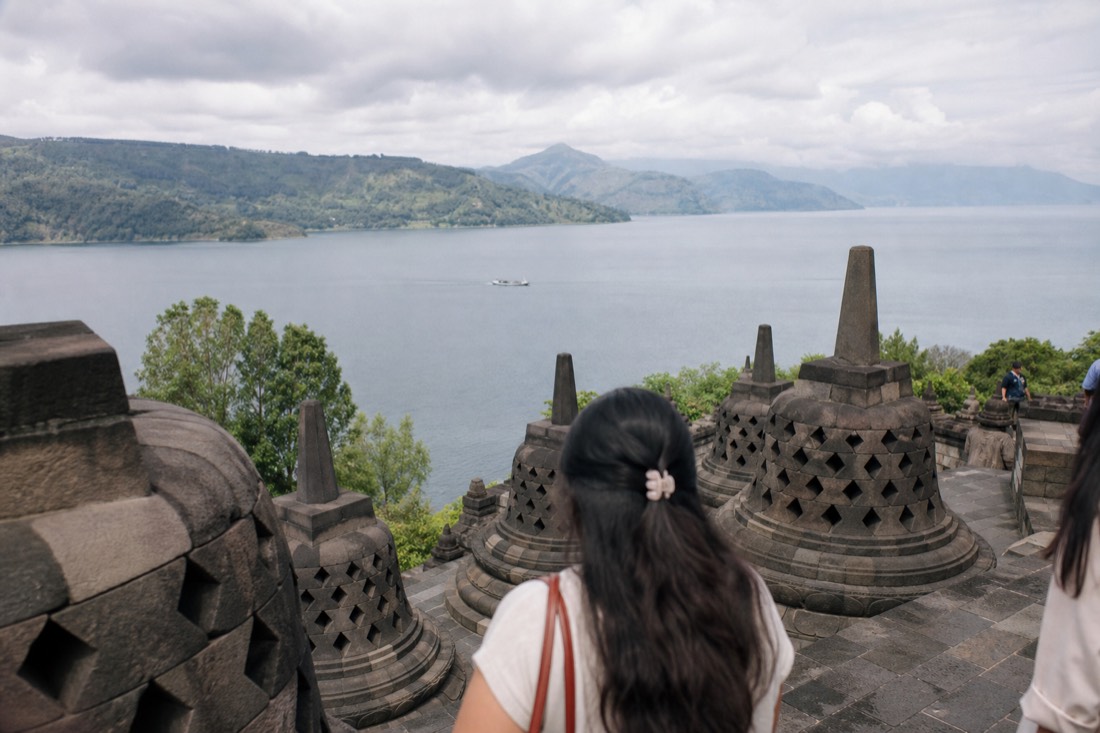
Rendang, the dish most often named as Indonesia's greatest, is Minangkabau, from West Sumatra. Orangutans in the wild are in Sumatra and Kalimantan, nowhere near Bali or Java. Lake Toba is a volcanic caldera lake so large it does not read as a lake.
It is also far, the roads are slow, and a week is not enough. I mention it because leaving it out would make this list dishonest, not because it is the swap most readers should make.
So what would you actually book?
For most people: keep Bali, and take two days in Yogyakarta out of the middle of it. It is a 1h35 direct flight, it costs you one morning of travel, and it puts the world's largest Buddhist temple and a UNESCO Hindu complex within an hour of your hotel.
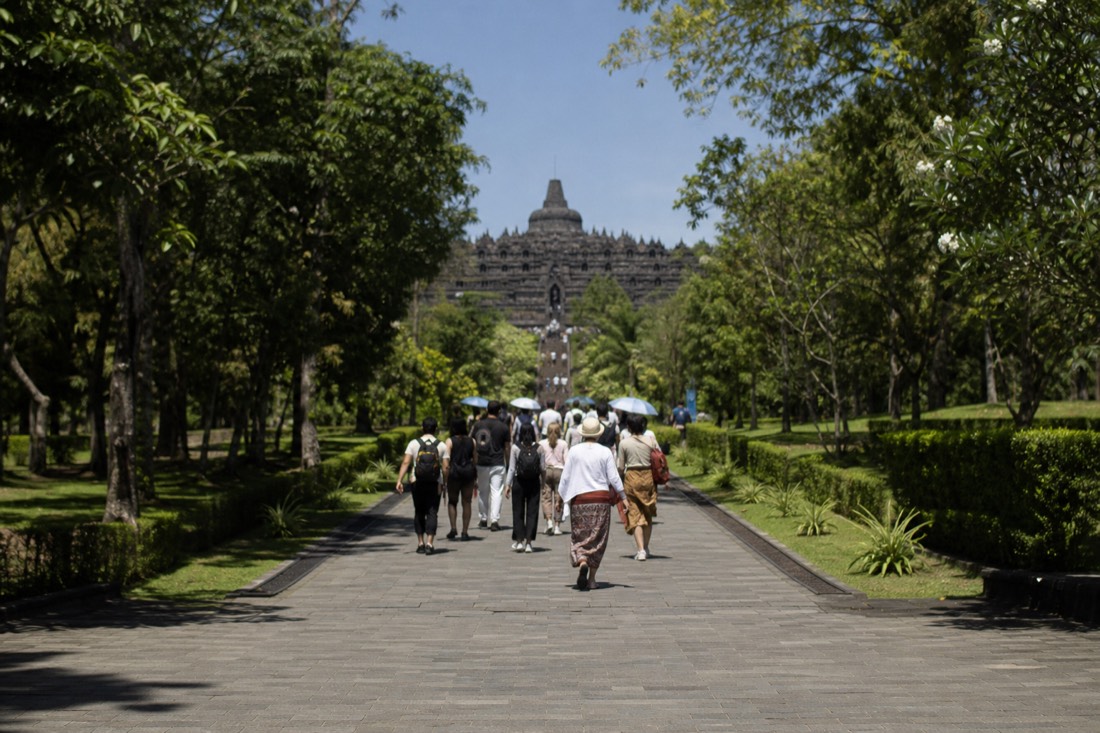
That is my real recommendation, and note that it is not "instead of Bali" at all. The framing of the question is usually wrong. Almost nobody needs to cancel Bali. Plenty of people need to stop treating it as the whole country, which is the argument I made at more length in what Indonesia is actually famous for.
If you do come, the version that converts sceptics is the dawn one. Tours watch the sun come up from Punthuk Setumbu, a hill about 2.5 kilometres from the monument, with the Kedu Plain volcanoes coming out of the mist, then drop down to climb the terraces before the heat arrives. Sunrise here lands near 05:30 most of the year and the vans leave Yogyakarta around 03:30, which is brutal and worth it. That is the Borobudur Sunrise Climb & Prambanan tour, and you can check live availability & prices on GetYourGuide. If a 03:30 start sounds like a punishment, the rest are on the tours page and one of them starts at a civilised hour.
Bali is not the mistake. Assuming Bali is Indonesia is the mistake. Two days fixes it.